The cultural significance of gambling in modern society
The Historical Roots of Gambling
Gambling has long been part of human culture, with evidence dating back thousands of years to ancient civilizations such as the Chinese, Egyptians, and Romans. Initially, it served as a form of entertainment and a way to engage in social interactions. Artifacts like dice and betting tokens reveal that early gambling was often tied to religious practices and rituals, reinforcing community bonds. These historical roots illustrate that gambling is not merely a pastime but part of a rich tapestry of human experience. In today’s context, engaging with platforms like neosurf casino instant withdrawal offers a glimpse into the modern evolution of this age-old practice.
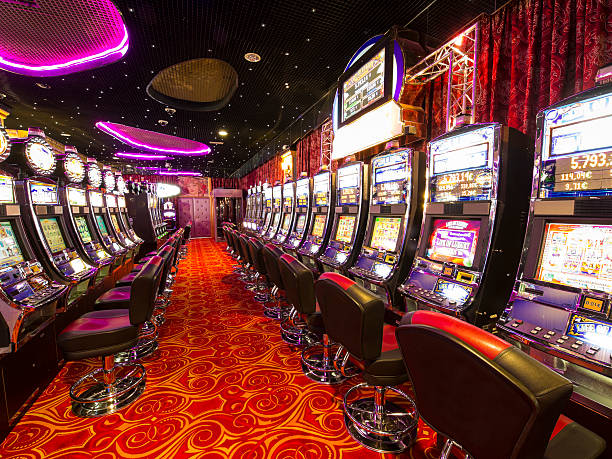
Throughout the ages, gambling has evolved to reflect societal norms and values. In medieval Europe, for instance, gambling was popular among the nobility, where it symbolized wealth and status. Meanwhile, in various cultures, local forms of gambling emerged, often influenced by economic conditions and social hierarchy. This evolution shows how gambling adapts to human behavior, becoming a mirror of societal change and aspiration.
In more recent history, the rise of commercialized gambling has further ingrained it into modern life. The establishment of casinos in the 20th century transformed gambling into a major industry, promoting tourism and generating significant tax revenue for governments. As gambling became more accessible, its cultural significance expanded, blending entertainment with economics, thereby solidifying its place in contemporary society.
Gambling as a Social Connector
Gambling serves as a vital social connector, providing individuals with opportunities to bond over shared experiences. Whether in a casino, at a sports bar, or through online platforms, gambling often becomes a communal activity. Friendships are forged and maintained through shared bets and watching games together, reinforcing social ties. This aspect of gambling showcases how it transcends mere monetary exchange and fosters a sense of belonging.
Moreover, the rise of online gambling has created virtual communities that span across geographical boundaries. Players can connect in forums, chat rooms, and through live games, sharing strategies, discussing outcomes, and celebrating wins together. This evolution illustrates how gambling adapts to technological advancements, allowing individuals to engage in social interactions despite physical distances. The communal aspect of gambling enhances its cultural relevance in modern society.
Events such as poker tournaments and sports betting contests further exemplify gambling’s role in community building. These events not only attract individuals but often encompass larger gatherings, providing a space for networking and socializing. In this way, gambling acts as an icebreaker, facilitating conversations and interactions among people who might not otherwise meet, thereby enriching the social fabric of communities.
The Role of Gambling in Entertainment
Gambling has become a cornerstone of entertainment, shaping how society engages with leisure activities. From blockbuster films depicting casino life to reality shows focused on poker tournaments, gambling’s portrayal in media reflects its cultural significance. This pervasive representation in entertainment underscores gambling’s appeal, captivating audiences and drawing interest from both players and non-players alike.
The integration of gambling into entertainment extends beyond traditional forms. Online platforms have introduced gamified experiences where players can enjoy gambling-like mechanics without the risks associated with real money. This blurs the line between gaming and gambling, illustrating the versatility of gambling as a form of entertainment. As gaming technology continues to advance, the potential for new, engaging experiences in gambling is limitless.
Moreover, the transformation of gambling into a form of leisure has led to the emergence of numerous recreational venues. Places designed for entertainment—like integrated resorts that combine casinos, dining, and shows—attract millions of visitors globally. This shift emphasizes the idea that gambling can be a multifaceted experience, contributing to local economies while providing enjoyment and leisure for patrons.
Gambling and Economic Impact
The economic implications of gambling are profound, influencing job creation, tourism, and local economies. In many regions, casinos serve as major employers, providing thousands of jobs in various sectors, from hospitality to security. The tax revenue generated from gambling operations contributes to public funding for essential services such as education and infrastructure, showcasing its significance beyond entertainment.
Furthermore, gambling acts as a catalyst for tourism, with cities known for their casinos attracting visitors from around the world. This influx of tourists supports local businesses and leads to the development of hospitality and leisure sectors. The interplay between gambling and tourism creates a symbiotic relationship, enriching both the local economy and the gambling industry itself.
However, this economic impact is not without its challenges. The potential for gambling addiction and its associated societal costs prompts discussions about responsible gambling practices. As the industry grows, so does the responsibility to ensure that economic benefits do not overshadow the need for social awareness and support for those affected by gambling-related issues. Striking a balance between profitability and social responsibility is crucial for the sustainable future of gambling in society.
Exploring Responsible Gaming: A Cultural Responsibility
As gambling becomes increasingly prevalent in modern society, the importance of responsible gaming has emerged as a cultural imperative. Awareness campaigns are being launched to educate players about the risks associated with gambling and promote safe practices. These initiatives not only help individuals make informed choices but also foster a culture of responsibility within the gambling community.
Many gaming operators are adopting measures to ensure player safety, such as self-exclusion programs and setting betting limits. These tools empower individuals to take control of their gambling activities, reinforcing the notion that enjoyment can coexist with responsibility. The cultural shift towards responsible gaming signifies a growing acknowledgment of the complexities surrounding gambling and its potential impact on individuals and families.
Online platforms, in particular, are adapting to this cultural responsibility by incorporating features that promote transparency and safety. By providing resources and support, these platforms aim to create a healthier gambling environment. As society continues to grapple with the implications of gambling, the push for responsible practices is essential for maintaining its cultural significance while safeguarding the well-being of individuals.

Conclusion: Embracing Responsible Gaming with Neosurf Casino Australia
In summary, gambling plays a multifaceted role in modern society, shaping cultural norms, fostering social connections, and impacting economies. As the landscape of gambling evolves, it is crucial to embrace responsible gaming practices that acknowledge both the joy of play and the potential risks involved. Platforms like Neosurf Casino Australia exemplify this commitment by providing a safe and enjoyable environment for both new and experienced players.
By focusing on secure transactions and promoting budget management, Neosurf Casino Australia ensures that players can enjoy their gaming experiences responsibly. This alignment with cultural values and social responsibility highlights the significance of gambling as a communal activity that can be both entertaining and beneficial when approached mindfully.
Recent Comments